

Pregnancy & Child-care (Obstetrics)

Dr. Aruna provides ample care for women of all ages. She offers a number of services to her patients ranging from menstruation to menopause, following latest treatments and medical procedures.

  • High Risk Pregnancy
  • Labour & Delivery
  • C-SectionC-Section
  • VBAC
  • Infertility
  • Antenatal Care

High-Risk Pregnancy Care
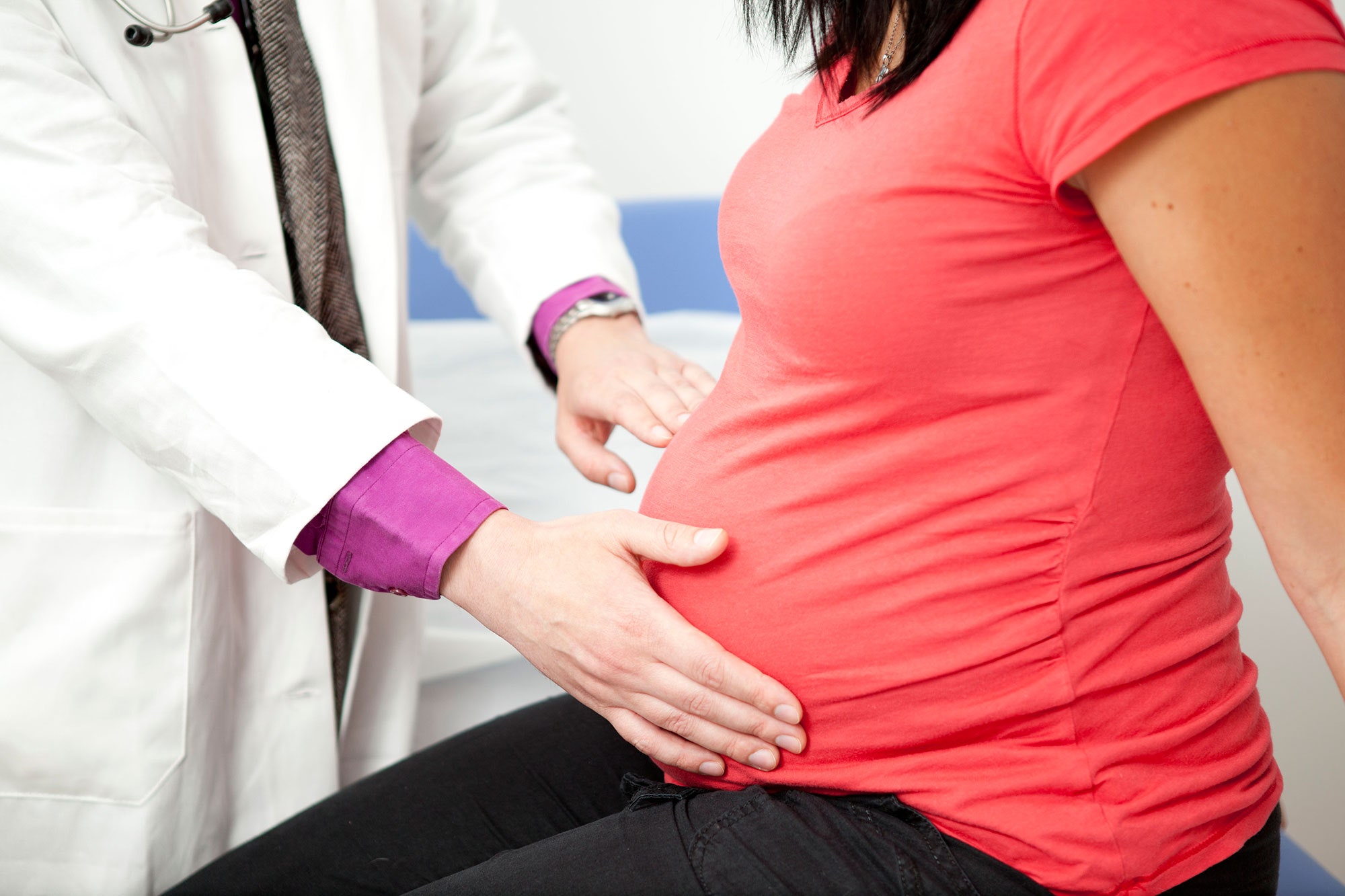
A pregnancy is classified as high-risk when medical, obstetric, or fetal factors require closer monitoring to ensure maternal and fetal safety. This may include conditions such as hypertension, diabetes, thyroid disorders, multiple pregnancy, or prior pregnancy complications. High-risk pregnancy care focuses on early risk identification, regular clinical assessment, targeted investigations, and timely intervention. The objective is to detect complications early and reduce preventable adverse outcomes. With structured surveillance and evidence-based management, many women with high-risk pregnancies have safe deliveries and healthy babies under specialised obstetric care.
High Risk Pregnancy Doctors

What Is a High-Risk Pregnancy?

A pregnancy is called high-risk when there is a higher chance of complications, either for the mother, the baby, or both. Sometimes this risk is present from the very beginning. Other times, it shows up quietly during a scan, a blood test, or a routine check-up.
Being labelled “high-risk” doesn’t change your pregnancy overnight. It doesn’t mean something bad will happen. It simply alerts your doctor to look more closely, ask more questions, and monitor things more carefully than usual.
Think of it not as a warning, but as an extra layer of care.

Common Causes of High-Risk Pregnancy

There isn’t one single reason a pregnancy becomes high-risk. Often, it’s a combination of factors.

  • Some women enter pregnancy with existing medical conditions like diabetes, high blood pressure, thyroid disorders, heart conditions, or autoimmune diseases.
  • Others develop pregnancy-related issues such as gestational diabetes, pre-eclampsia, placental problems, or concerns about the baby’s growth.
  • Age can play a role too. For pregnancies below 18 or above 35 may need closer observation.
  • Carrying twins or more, having had previous miscarriages, preterm births, or multiple C-sections can also increase risk.

What’s important to remember is this: none of these mean you’ve done something wrong. High-risk pregnancies happen even when women take every possible precaution.

How Is a High-Risk Pregnancy Managed?

High-risk pregnancy care isn’t about restrictions or constant fear. It’s about staying one step ahead.
Once risk factors are identified, your care becomes more structured. You may have more frequent check-ups, additional ultrasounds to track your baby’s growth, and closer monitoring of things like blood pressure, blood sugar, or fluid levels. Some women need medication to keep conditions stable. Others need rest, dietary changes, or small lifestyle adjustments.
The goal is never to overwhelm you. It’s to notice changes early, when they are easiest to manage.
As pregnancy progresses, delivery planning also becomes part of the conversation. Timing, mode of delivery, and hospital readiness are discussed well in advance so decisions don’t have to be made in panic or urgency.
This is what advanced pregnancy care truly means: thoughtful planning, not constant alarm.
A high-risk pregnancy is not a prediction of failure. It’s a precaution - one that allows doctors to protect you and your baby more closely.
With timely monitoring, the right medical support, and a doctor who communicates clearly and calmly, most women navigate high-risk pregnancies safely. You don’t need to face it with constant fear - only with awareness, trust, and the right care beside you.

Why Choose Dr Aruna Kalra?

High-risk pregnancies require more than medical knowledge. They require steadiness.
Dr Aruna Kalra is known for her calm, grounded approach to complex pregnancies. As an experienced high-risk pregnancy doctor, she focuses on understanding the full picture, not just reports and numbers, but the woman behind them.
Her approach is built on anticipation rather than reaction. She believes that when women understand what’s happening and why, fear reduces and confidence grows. Instead of overwhelming patients with possibilities, she explains what truly matters, what needs watching, and what can safely be ignored.
Through careful monitoring, clear communication, and compassionate guidance, she helps women feel supported, not constantly anxious, throughout their pregnancy journey.

Do you have any query ?

Here are some frequently asked questions

Stress by itself doesn’t directly cause a high-risk pregnancy. However, long-term stress can affect blood pressure, blood sugar, sleep, and overall health. That’s why emotional wellbeing is taken seriously in pregnancy care.

There is no medical diagnosis called a weak pregnancy. This term is often used informally to describe pregnancies that need hormonal support, closer monitoring, or rest due to placental or growth concerns. Many such pregnancies progress well with proper care.

High-risk pregnancies are usually grouped based on maternal health conditions, pregnancy-related complications, fetal concerns, or previous obstetric history. Each pregnancy is unique and managed accordingly.


Dr. Aruna Kalra

Labour and Delivery

Labour and delivery involve dynamic physiological changes that require continuous clinical assessment. Progress may vary, and care decisions are guided by maternal condition, fetal well-being, and labour progression. Labour management includes fetal heart rate monitoring, pain management options, and readiness for intervention if complications arise. The focus is on supporting normal labour while maintaining medical preparedness. Safe labour and delivery care prioritises timely decision-making, maternal comfort, and neonatal safety, ensuring optimal outcomes for both mother and baby.
High Risk Pregnancy Doctors

Understanding Labour & Delivery

Labour is simply your body preparing to give birth. Contractions help the cervix soften and open, little by little, so your baby can move down and be born. After your baby arrives, the placenta follows.
This doesn’t happen on a fixed schedule. Some labours move quickly. Others take time, pauses, patience. Sometimes plans change halfway through. What matters most is that throughout it all, you and your baby are safe.
That’s what maternity delivery care is really about - responding to what’s happening, not sticking rigidly to a script.

How Does Labour Pain Begin?

For many women, labour starts on its own. Contractions come and go, slowly becoming stronger and closer together. This is spontaneous labour, and it’s the most common way birth begins.
Sometimes, labour needs help getting started. This might be because the pregnancy has gone beyond term, or because continuing the pregnancy carries risks. When labour is induced, it’s done carefully, with close monitoring and ongoing reassessment.
There are also times when labour doesn’t progress the way we hope, or when concerns arise for the mother or baby. In those moments, assisted delivery or a C-section may be advised not because something has gone wrong, but because safety comes first.

What Labour Often Feels Like?

Labour is often described in stages, but when you’re in it, it feels more like waves. Some you ride easily. Some stop you in your tracks.
In the early phase, contractions may feel manageable and irregular. Many women spend this time at home, resting, breathing, distracting themselves, or trying to sleep.
As labour becomes active, contractions grow stronger and demand more of your attention. The cervix opens gradually until it reaches 10 centimetres, which allows your baby to be born. Pain feels different for every woman. Some cope with movement, breathing, or support. Others choose pain relief, including epidurals. There is no right or wrong choice here - comfort matters.
When it’s time to push, your care team guides you gently. Some babies are born quickly. Others take their time. Both are normal.
After birth, the placenta is delivered. This usually happens naturally and is carefully monitored.
Throughout labour, someone is always watching your baby’s heartbeat, your contractions, your strength - stepping in only when necessary.

Choose Dr Aruna Kalra for Safe Delivery

Birth is not just a medical process - it’s an emotional one. Dr Aruna Kalra is known for bringing calm, clarity, and steadiness into the delivery room.
Her approach is simple but thoughtful. She listens. She explains. She allows labour to unfold naturally when it can -and acts decisively when it must. With experience across normal deliveries, high-risk pregnancies, and surgical births, she focuses on one thing above all else: keeping both mother and baby safe, without losing sight of the woman at the centre of the experience.
A Quiet Reassurance
Labour doesn’t need to be perfect to be meaningful. It doesn’t need to match anyone else’s story. Whether it’s fast or slow, vaginal or surgical, planned or unexpected — what matters is that you feel safe, respected, and supported.
With the right care, labour becomes less about fear and more about trust — in your body, your doctor, and the moment you finally meet your baby.

Do you have any query ?

Here are some frequently asked questions

Labour includes the opening of the cervix, the birth of the baby, delivery of the placenta, and the early recovery period after birth.

A vaginal birth usually happens once the cervix has fully opened to 10 cm.

Labour begins with contractions, progresses as the cervix opens, leads to birth, and ends with the delivery of the placenta — all with careful monitoring and support.

Dr. Aruna Kalra

VBAC (Vaginal Birth After Cesarean)

Vaginal birth after cesarean (VBAC) may be considered in selected patients after thorough clinical evaluation. Factors such as previous uterine incision type, obstetric history, and current pregnancy status are carefully reviewed. VBAC planning involves risk assessment, informed counselling, and continuous intrapartum monitoring to ensure maternal and fetal safety. Not all patients are suitable candidates. When appropriately selected and closely supervised, VBAC can be a safe alternative to repeat cesarean delivery.
Vaginal Birth After Caesarean Section

What Is VBAC?

VBAC simply means attempting a vaginal birth after having had a previous C-section. Instead of planning another cesarean from the start, labour is allowed to begin naturally or with medical guidance, while keeping safety at the centre of every decision.
It’s important to say this clearly: VBAC is not for everyone, and that’s absolutely okay. Many women are good candidates, especially when the reason for their earlier C-section is unlikely to happen again. Deciding whether VBAC is suitable always begins with a careful medical review, not assumptions.

Who Can Consider VBAC?

For some women, VBAC may be a safe option. This usually depends on the type of C-section incision used previously, how the uterus healed, and how the current pregnancy is progressing. Doctors also look at whether there have been any major complications, where the placenta is positioned, and whether there is any medical reason that would make a planned cesarean safer.
Equally important are details that don’t show up on a report, how your previous labour unfolded, how much time has passed since your last delivery, and how confident and supported you feel this time around. VBAC decisions are never rushed. They’re made step by step, with safety, not pressure, leading the way.

Benefits of VBAC

For women who are suitable candidates, VBAC can have some meaningful benefits. Recovery is often quicker, movement feels easier sooner, and hospital stays may be shorter compared to repeat surgery. Many women also appreciate avoiding another abdominal operation and the limitations that come with it.
A successful VBAC can also reduce the number of surgical deliveries over a woman’s lifetime, which can be important if she plans future pregnancies. But beyond medical benefits, some women value the experience itself - feeling more connected to the process and regaining confidence in their body.

Choose Dr Aruna Kalra for VBAC Guidance

Considering VBAC often brings mixed feelings, especially if a previous birth was difficult or unexpected. Dr Aruna Kalra is known for approaching these conversations with patience and honesty.
Rather than steering women toward one mode of delivery, she focuses on helping them understand their individual chances, risks, and comfort levels. With extensive experience in obstetrics and high-risk pregnancies, her approach balances medical safety with emotional reassurance - so decisions feel informed, not overwhelming.
Because VBAC isn’t about choosing “normal” or “surgical.” It’s about choosing what’s right for you.

Do you have any query ?

Here are some frequently asked questions

Around 60–80% of women who attempt VBAC are able to deliver vaginally. Success depends on factors like previous labour history and current pregnancy health.

When carefully planned and monitored, VBAC is considered safe for selected women. The key is proper screening and access to surgical care if needed.

VBAC involves labour, so pain levels are similar to any vaginal birth. Pain relief options, including epidurals, are discussed in advance.

Staying active as advised, managing conditions like diabetes or blood pressure, attending regular antenatal visits, and preparing mentally all help. Clear communication with your doctor matters just as much as physical preparation.

Dr. Aruna Kalra

Infertility Treatment

Infertility is defined as the inability to conceive after a defined period of regular unprotected intercourse. Evaluation begins with a systematic assessment of hormonal, anatomical, and reproductive factors in both partners. Infertility treatment may include medical management, lifestyle optimisation, or assisted reproductive techniques depending on the underlying cause. Many fertility conditions are treatable with timely intervention. A structured, stepwise approach to infertility treatment helps patients make informed decisions without unnecessary delays or interventions.
Vaginal Birth After Caesarean Section

Understanding Infertility

Doctors usually use the word infertility when pregnancy hasn’t happened after a year of regular, unprotected intercourse — or after six months if a woman is over 35. But this definition doesn’t mean pregnancy won’t ever happen. It simply means the body may need a little support.
Difficulty conceiving can be linked to the woman, the man, or both. Sometimes there’s a clear reason. Sometimes there isn’t. And often, it’s only after a proper evaluation that the picture becomes clearer.

Common Causes of Female Infertility

Female infertility can have many faces. For some women, ovulation doesn’t happen regularly. Others may have hormonal conditions like PCOS or thyroid imbalance. Blocked fallopian tubes, endometriosis, fibroids, or changes in egg quality with age can also affect fertility.
Lifestyle factors matter too — stress, sudden weight changes, long-standing health issues that haven’t been treated. Often, it isn’t just one cause, but a combination of small factors working together. That’s why personalised care is so important.

Evaluation & Treatment

The first step in fertility treatment is not jumping into procedures — it’s understanding. This usually begins with a detailed conversation, basic blood tests, ultrasound scans, and an assessment of ovulation. Depending on what these show, further tests may or may not be needed.
Treatment is always individual. Some women need simple ovulation support or cycle guidance. Others benefit from lifestyle or nutritional changes. In some cases, advanced fertility treatments are recommended — but only when they are truly needed.
There is no single path that works for everyone. The focus is always on choosing what makes sense for you, and moving forward gradually

Choose Dr Aruna Kalra for Compassionate Fertility Care

Fertility concerns can be emotionally heavy, and care should never feel rushed or impersonal. Dr Aruna Kalra is known not just for her experience as a female infertility doctor, but for the way she listens.
With over two decades of clinical and surgical experience, she believes that treatment should begin with understanding, your medical history, your worries, and your timeline. Her approach balances medical science with empathy, helping patients feel informed and supported rather than overwhelmed.
Because no two fertility journeys are the same, care should never be either.

Do you have any query ?

Here are some frequently asked questions

There isn’t one answer. Success depends on age, diagnosis, and overall health. Some women conceive with simple treatment, while others need more advanced options.

A proper evaluation. Understanding the cause always comes before choosing treatment.

Many women do conceive with the right guidance and care. Infertility doesn’t mean the end of the road — it just means the journey may look different.

Irregular periods, very painful cycles, hormonal symptoms, or difficulty conceiving over time can be signs. But some women have no obvious symptoms at all.

Dr. Aruna Kalra

C-Section (Cesarean Delivery)

A cesarean section is recommended when vaginal delivery may pose increased risk to the mother or fetus. Common indications include fetal distress, abnormal labour progression, placenta-related conditions, or prior uterine surgery. Cesarean delivery is a standard obstetric surgical procedure performed under controlled conditions with established safety protocols. The decision is based on clinical necessity rather than preference. A planned or emergency C-section is a medically guided mode of childbirth focused on ensuring safety when vaginal delivery is not advisable.
Vaginal Birth After Caesarean Section

What Is a C-Section?

A C-section, or cesarean delivery, is a surgical way of giving birth. Instead of the baby being born vaginally, the doctor delivers the baby through an incision in the abdomen and uterus.
Sometimes this decision is planned well in advance. Other times, it’s made during labour when things don’t go as expected. In most cases, the surgery is done under regional anaesthesia, so you’re awake, aware, and able to see and hold your baby soon after birth.
While it is surgery, it’s also one of the most commonly performed procedures in obstetrics — and one that doctors are highly trained to manage safely.

When Is a C-Section Recommended?

A C-section is advised when continuing with vaginal delivery may put the mother or baby at risk. This can include situations where the baby is not positioned head-down, the placenta is blocking the birth canal, labour isn’t progressing despite effort, or the baby shows signs of distress.
For some women, a planned C-section is the safest option from the beginning — especially if there have been multiple previous C-sections or certain medical conditions. These decisions are never rushed. They’re made after weighing risks, listening to concerns, and focusing on what leads to the healthiest outcome.
Planned or unexpected, it brings the same end result: your baby, safely in your arms. With the right medical care and emotional support, a cesarean delivery can be a strong, positive beginning.

Recovery After a C-Section

Recovery after a C-section takes time, and it’s okay to acknowledge that it’s not easy. In the first few days, you may feel sore, tired, and slower in your movements. Getting out of bed, laughing, or even coughing can feel uncomfortable - all of this is normal.
You’ll be encouraged to move gently early on, as it helps healing and circulation. Pain relief is provided, and support is available for breastfeeding and newborn care. Over the next few weeks, strength gradually returns, and most women feel more like themselves again.
Healing isn’t just physical. Emotionally, it can help to talk about the experience -especially if the surgery was unexpected.

Choose Dr Aruna Kalra for Trusted Surgical Care

When surgery becomes part of childbirth, trust matters deeply. Dr Aruna Kalra is known for approaching C-section deliveries with calmness, clarity, and respect for the woman at the centre of it all.
She believes that understanding reduces fear. By explaining why a C-section is recommended, what will happen step by step, and how recovery will look, she helps women feel informed rather than overwhelmed. Her focus is always on safety - paired with empathy and clear communication.

Do you have any query ?

Here are some frequently asked questions

You won’t feel pain during the surgery because of anaesthesia. Some discomfort is expected during recovery, but this improves steadily with medication and rest.

Recovery takes longer than vaginal birth, and like any surgery, there are risks such as infection or bleeding. These are monitored closely.

In rare cases, nearby organs like the bladder may be affected, but this is uncommon and usually managed immediately.

Short-term effects include soreness, fatigue, and limited mobility. With proper care, most women recover well.

Dr. Aruna Kalra

Antenatal Care

Antenatal care involves regular medical supervision throughout pregnancy to monitor maternal health and fetal development. It includes clinical examinations, screening tests, and ultrasound assessments at defined intervals. Consistent antenatal visits help identify complications early, manage pre-existing conditions, and guide appropriate pregnancy care. Preventive counselling is a key component. Comprehensive antenatal care supports healthy pregnancy progression and prepares for safe labour and delivery.
Vaginal Birth After Caesarean Section

What Antenatal Care Really Is

Antenatal care is the care you receive throughout pregnancy, starting from the early weeks and continuing until labour begins. But beyond the medical definition, it’s really a series of conversations.
Each visit adds a little more understanding of your body, your baby, and how things are progressing. Some appointments feel routine. Others feel deeply reassuring. Occasionally, one raises a concern that needs closer attention. Together, they form a continuous picture, not disconnected check-ups.
It’s less about “appointments” and more about staying connected to how your pregnancy is unfolding.

Why Antenatal Care Matters

Most pregnancy concerns don’t announce themselves clearly. They don’t always come with pain or obvious symptoms. A small change in blood pressure. A subtle shift in sugar levels. A growth pattern that needs watching.
Antenatal care helps notice these things early — often before they turn into real problems.
But it does something else too. It gives you permission to ask questions without feeling silly. To talk about discomfort, fear, or uncertainty without being dismissed. It replaces guesswork with understanding and helps you feel more prepared, step by step.
Even when everything is going smoothly, antenatal care matters. Healthy pregnancies need guidance too.

What Happens During Antenatal Care

In the early weeks, visits focus on getting to know you. Your health, your history, and how your pregnancy has begun. Basic tests and scans help set a baseline.
As pregnancy progresses, your doctor checks in on both of you. Your blood pressure. Your weight. Your baby’s heartbeat. Growth patterns. Blood tests are done at certain stages, not to alarm you, but to ensure things are on track.
You’ll also talk about food, supplements, sleep, movement, back pain, nausea, swelling, and all the little things that don’t always make it into textbooks. Later on, conversations naturally shift to labour, delivery, and what to expect as your due date approaches.
labour, delivery, and what to expect as your due date approaches. Nothing is meant to feel rushed. Each visit builds quietly on the last.

Why Choose Dr Aruna Kalra for Antenatal Care?

Good antenatal care starts with feeling comfortable enough to speak openly.
Dr Aruna Kalra is known for offering pregnancy care that feels calm, attentive, and unhurried. She believes that listening is just as important as examining. Questions are welcomed. Concerns are taken seriously, whether they seem “small” or not.
Her approach focuses on noticing changes early, explaining things clearly, and guiding women gently through each stage of pregnancy. Instead of creating anxiety, her care aims to bring steadiness, helping women feel informed, supported, and confident as their pregnancy progresses.
Because antenatal care isn’t just about keeping things medically safe. It’s about helping you feel okay, physically and emotionally along the way.

Do you have any query ?

Here are some frequently asked questions

To look after the mother’s health, monitor the baby’s growth, identify concerns early, guide nutrition and lifestyle choices, and prepare for birth.

ANC is care during pregnancy. PNC is care after delivery, focused on recovery and newborn wellbeing.

Some pregnancies need routine care, others need closer monitoring. Both follow the same purpose — safety and support.

Because pregnancy changes over time. Antenatal care helps those changes be understood, supported, and managed calmly. Pregnancy isn’t something you’re meant to navigate by instinct alone. Antenatal care exists to check in on you, quietly, regularly, and without judgment. With the right care, pregnancy feels less uncertain and more supported. One visit, one conversation, one reassuring moment makes all the difference.

Dr. Aruna Kalra
Call Back Call Back WhatsApp Whatsapp