Clinical Assessment
Detailed history and physical examination.


Accurate Diagnosis & Personalised Care for Excessive Periods
 +919871213257
Call Now
+919871213257
Call Now
Menorrhagia refers to abnormally heavy or prolonged menstrual bleeding that interferes with daily life. It is not a disease itself, but a symptom of an underlying gynaecological or hormonal condition.

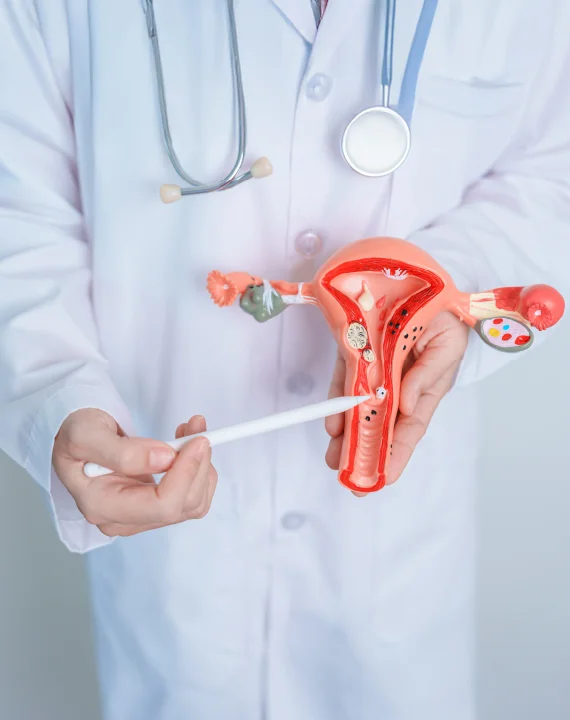
Medical evaluation is advised if bleeding is heavy, prolonged, recurrent, or associated with pain, anaemia, or fertility concerns.
Yes. Untreated menorrhagia can lead to iron-deficiency anaemia, reduced quality of life, and fertility challenges depending on the underlying cause.
Management focuses on controlling bleeding, treating the underlying cause, and preserving fertility where possible.

fibroids, hormonal imbalance, or uterine pathology.

impact on daily life and anaemia status.

medical, minimally invasive, or surgical.

fertility preservation or definitive treatment.
Detailed history and physical examination.
Ultrasound, blood tests, and endometrial evaluation.
Individualised medical or procedural management.
Monitoring response and long-term control.
Dr. Aruna Kalra | Patient - Pallavi
Dr. Aruna Kalra | Patient - Dr. Dipender
Dr. Aruna Kalra | Patient - Nandita Sharma
Frequently asked questions