Your consultation request has been successfully registered. Our counsellor will connect with you within the next working hour.
Need immediate help?
Call Us
It often starts quietly. A feeling of heaviness in the pelvis by evening. A bulge you notice while bathing. A sense that something is slipping down when you cough, climb stairs or lift a bucket of water. Many women carry these symptoms in silence for years, assuming it is just a part of having children or growing older.
If that sounds familiar, here is the reassuring part; the way prolapse uterus surgery is planned and performed today looks quite different from even a decade ago. There are smaller cuts, gentler recoveries and, in many cases, the choice to keep your uterus. Let’s walk through what has changed.
Uterine prolapse means the womb (uterus) has slipped down into the vagina because the muscles holding it in place have become weak. This can happen after normal deliveries, with menopause, or due to a long-standing cough, constipation or regular heavy lifting. In the early stages, pelvic floor exercises, lifestyle modifications and treatment of contributing factors can help manage symptoms.
If you feel a bulge or heaviness in the vagina, have trouble passing urine, or have back pain that affects daily work, uterine prolapse treatment may include surgery.
Surgery is considered when prolapse limits your comfort and routine, and the decision is made together with your gynaecologist.
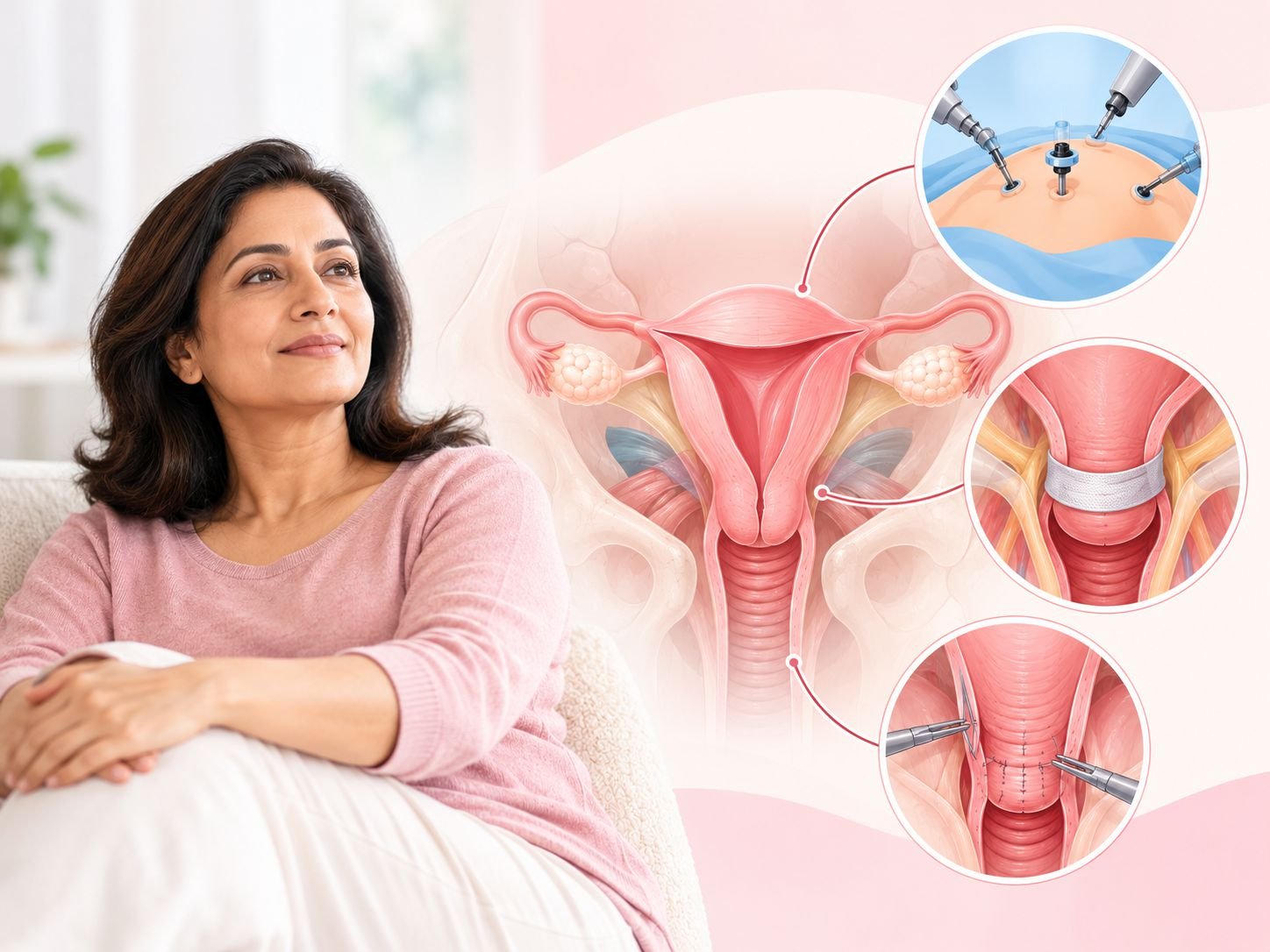
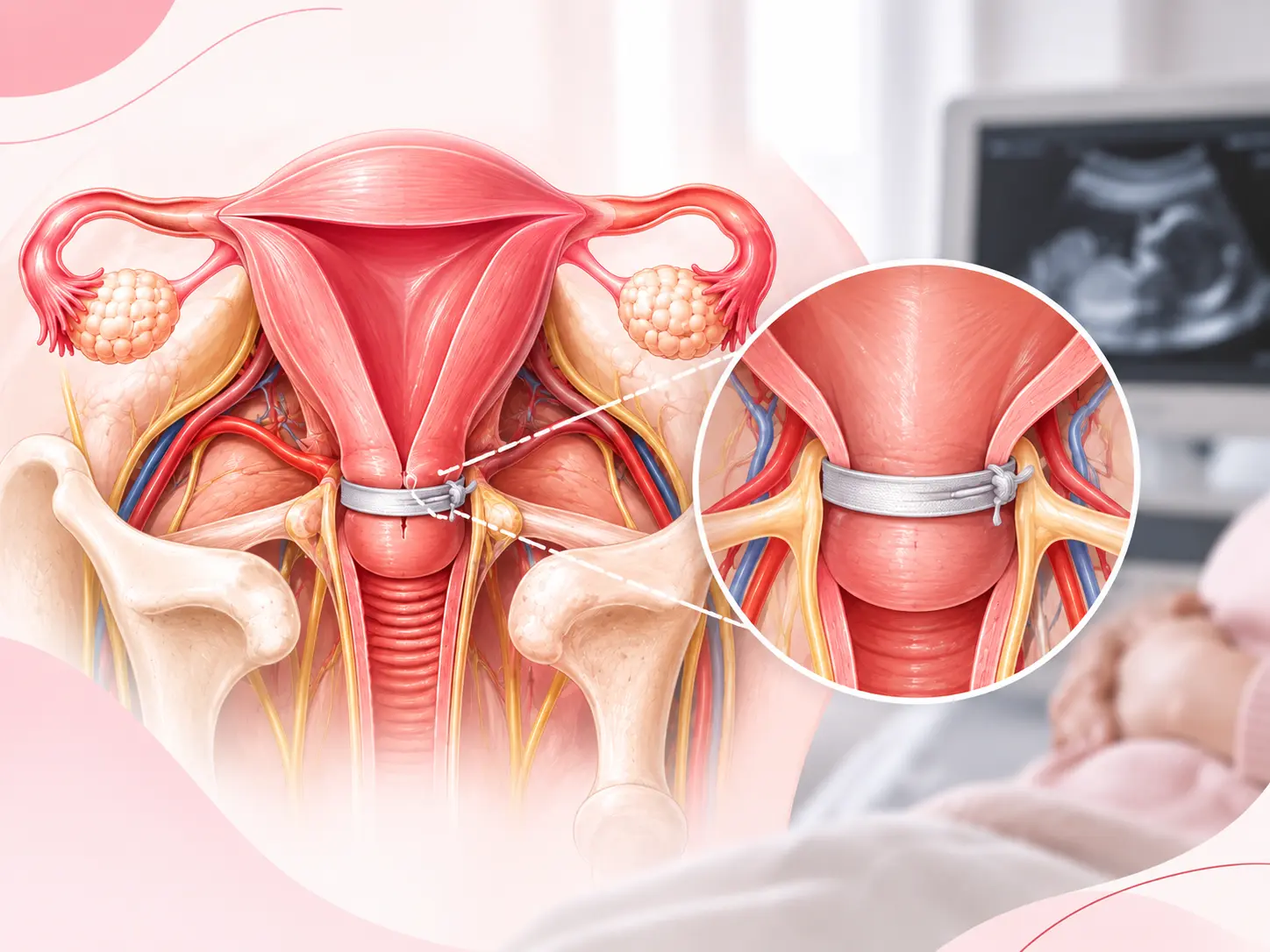
Pectopexy is an important option in modern prolapse uterus surgery, particularly for selected women who require apical pelvic support.
In pectopexy, the uterus or vaginal vault is suspended to strong supporting structures near the pectineal ligaments on either side of the pelvis. It may be particularly useful in selected women in whom access to the sacral area is difficult, or where avoiding extensive dissection near the major pelvic vessels and nerves is desirable. Some studies suggest that pectopexy may be associated with a lower risk of postoperative constipation than sacrocolpopexy.
In short, pectopexy is one of several ways to support the pelvic organs, and your surgeon can advise whether it suits your case.
Prolapse surgery has moved from large abdominal cuts and routine uterus removal towards keyhole techniques, repairs tailored to each woman, and faster recovery.
Not long ago, removing the uterus was the default answer. Today the thinking is more nuanced: the real problem is lost support, so the focus is on restoring that support in the way that suits the individual woman. Along with this, hospitals now follow enhanced recovery practices such as early walking, better pain control and shorter stays, which make the whole experience easier.
The big shift, then, is from “one operation for everyone” to “the right repair for the right woman.”
Yes, in many cases. Uterus-sparing surgery for prolapse, called hysteropexy, lifts and secures the uterus in its proper position instead of removing it.
This is one of the most talked-about developments in pelvic organ prolapse surgery. A hysteropexy can be done through keyhole surgery, as in laparoscopic sacrohysteropexy, where the uterus is suspended using a strip of supportive material attached near the tailbone. It can also be done through the vaginal route, using the woman’s own ligaments, as in sacrospinous hysteropexy or the Manchester repair.
Who is a good fit for uterus-sparing surgery?
Who may not be suitable?
Things to keep in mind
So yes, removing the uterus is no longer the only route, but whether to keep it depends on your health and your preferences.
Laparoscopic and robotic-assisted approaches repair uterine prolapse through a few small cuts, and are often linked to less pain and a shorter hospital stay than open surgery.
Laparoscopic surgery for prolapse:
Robotic surgery for uterine prolapse:
Possible advantages of robotic surgery:
Robotic surgery is not automatically superior for every patient. Neither approach is automatically “better.” The surgeon’s training and experience, and your own anatomy, matter more than the machine.
Vaginal hysterectomy for prolapse and ligament-based repairs need no cuts on the abdomen and remain a well-established option for many women.
When the uterus is removed for prolapse, appropriate vaginal vault suspension should also be planned. Without it, the vaginal vault may be left vulnerable to prolapse again.
Depending on your anatomy and the extent of prolapse, vault suspension may involve uterosacral ligament suspension or sacrospinous ligament fixation. In selected cases, sacrocolpopexy or pectopexy may be appropriate. Not every vaginal operation needs these, but adequate apical support is essential for a durable repair.
The takeaway: keyhole and vaginal techniques both reduce the physical burden of surgery, and the best route is the one that fits your case.
Mesh in prolapse surgery depends on the type, the route and the woman. Mesh placed through the abdomen by keyhole surgery has a long track record, while vaginal mesh has raised safety concerns, with complications such as pain, infection or mesh exposure reported. Several countries, including the US, stopped the sale of vaginal mesh kits for prolapse in 2019.
Ask your surgeon whether mesh will be used, which type, and why in your case. Mesh is not automatically good or bad, and it should be used only when it truly suits you.
Recovery varies, but most women can walk the same or next day and return to light daily activities in a few weeks. Full healing typically takes around six to eight weeks.
What recovery usually looks like:

Your recovery is shaped by the type of surgery, your overall health and how closely you follow the advice you are given, so your doctor’s instructions always come first.
The right choice depends on your age, the degree of prolapse, whether you want to keep your uterus, future pregnancy plans, other health conditions and your personal preferences.
What decides the right surgery for you:
Questions to ask your doctor before deciding:
There is no single “best” operation, only the one that fits you best. A second opinion is always your right. In the end, informed, unhurried decision-making matters more than choosing the newest technique.
Consider seeing a gynaecologist when prolapse symptoms start affecting your comfort or daily routine. Early advice can help you explore simpler options before surgery becomes necessary.
Consult a gynaecologist if you notice a vaginal bulge or heaviness, urinary leakage or difficulty, or discomfort during daily work or intercourse. Seek prompt help if the bulge is painful or bleeding, or if you cannot pass urine.
For guidance specific to your health, you may consult Dr. Aruna Kalra, Obstetrician and Gynaecologist at CK Birla Hospital, Gurgaon, or a qualified gynaecologist of your choice.
Prolapse is common, treatable and nothing to feel embarrassed about. Today, there are more options than ever, from pelvic floor exercises and lifestyle changes to uterus-sparing and keyhole surgery.
Every woman’s situation is different, so the right treatment and timing should be decided with a qualified gynaecologist after proper evaluation. Asking questions early can help you feel informed and confident about your choice.
Medical Disclaimer: This blog is for general awareness and does not replace personalised medical advice, diagnosis or treatment. Please consult a qualified gynaecologist for your specific condition.
Dr. Aruna Kalra's medical content team specialises in creating accurate, clear, and patient-focused healthcare content. With strong clinical understanding and expertise in technical writing and SEO, the team translates complex medical information into reliable, accessible resources that support informed decisions and uphold Dr. Aruna Kalra’s commitment to quality care.
Dr Aruna Kalra is a senior gynaecologist and obstetrician with over 25 years of clinical experience, widely respected for her calm clinical judgement, ethical decision-making, and expertise in advanced gynaecological surgery and obstetric care.