Call Back Call Back WhatsApp Whatsapp
Foods That Support Hormone Balance and Managing Fibroid Symptoms

Foods That Support Hormone Balance and Managing Fibroid Symptoms

You’ve probably had this moment. You’re standing in the kitchen, scrolling through yet another “fibroid-shrinking superfood” post, wondering whether your morning chai or last night’s paneer is secretly the villain.

Let’s clear the noise. Food is not a magic switch for fibroids. But what’s on your plate can support your hormones, your energy levels and how your body copes with symptoms like heavy periods and bloating. That’s worth knowing, so let’s walk through it together.

Can Food Really Affect Hormone Balance and Fibroids?

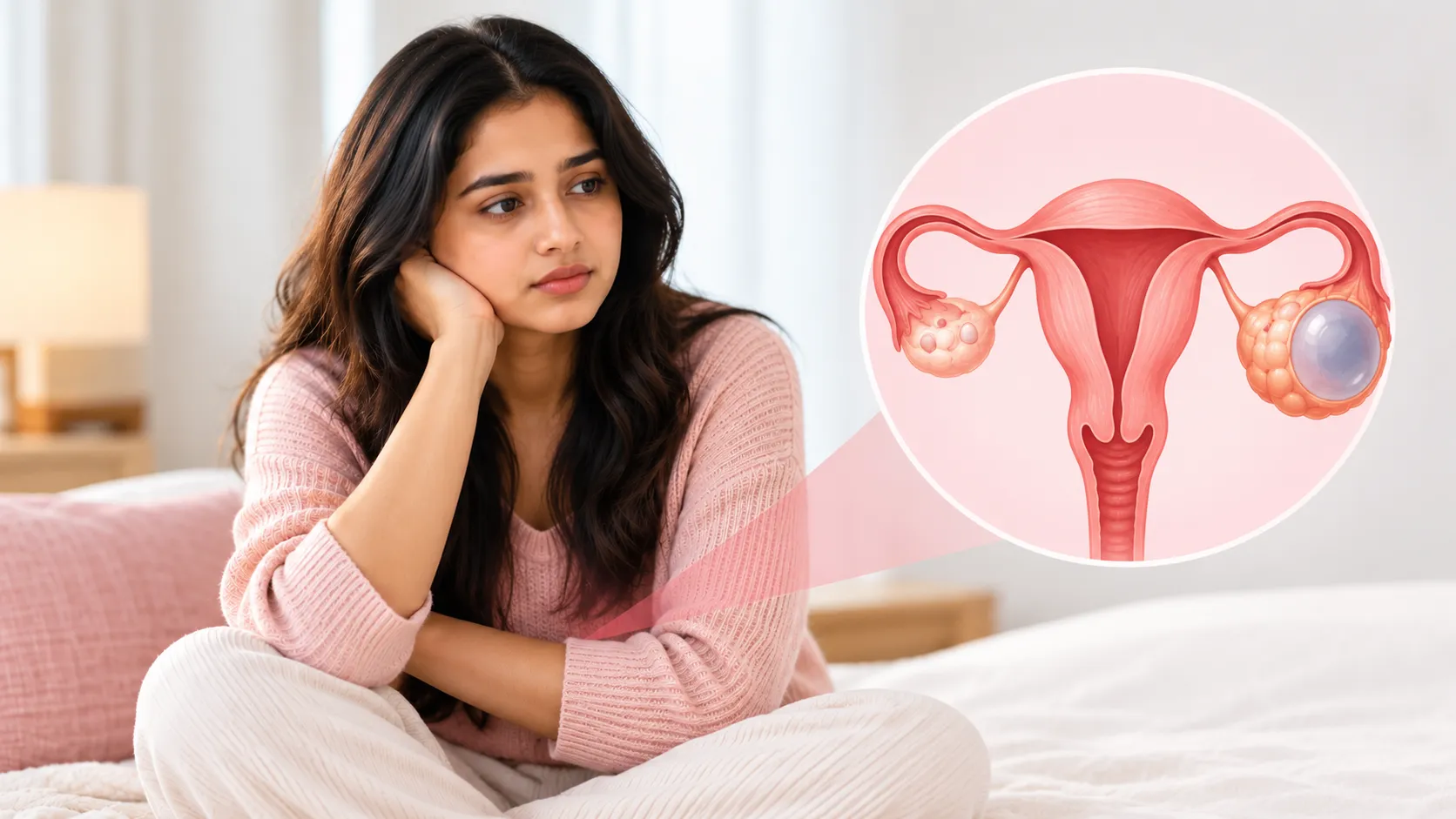
Yes, to a degree. Fibroids are non-cancerous growths in the uterus that respond to estrogen and progesterone, and what you eat can influence how your body handles these hormones, along with inflammation, weight and blood sugar.

Think of your hormones as a group conversation. Sleep, stress, weight and food all talk at once, and a steady, nutrient-rich diet helps keep the volume reasonable. Studies suggest that diets rich in fruits, vegetables and fibre are linked with a lower risk of fibroids. Diets heavy in red meat, alcohol and highly processed food are linked with a higher risk. These are associations, not guarantees, but they point in a useful direction.

Although diet can’t replace medical care, it can support hormone balance and help you feel better day to day.

Which Foods Support Hormone Balance Naturally?

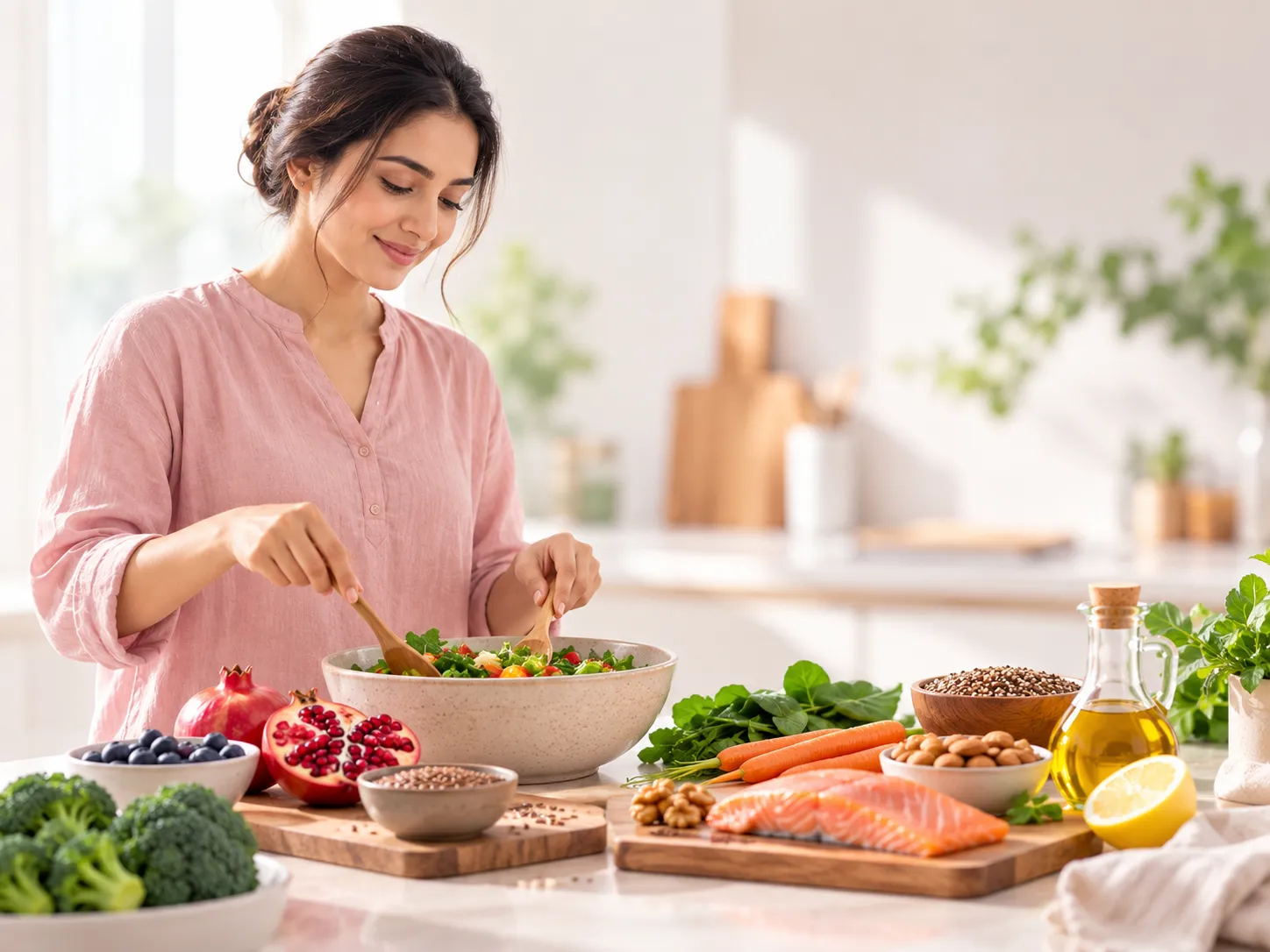
The foods that support hormone balance are mostly everyday ones: fibre-rich vegetables, whole grains, fruits, healthy fats and good-quality protein. They give your body the raw material it needs to keep hormones steady.

  • Fibre-rich foods: Oats, dalia, brown rice, lentils, rajma and chana help your body clear used-up estrogen through regular digestion.
  • Seasonal fruits: Guava, apples and pears add fibre and keep your gut moving.
  • Leafy greens: Spinach, methi and sarson provide fibre and plant compounds that support the liver, the organ that processes hormones.
  • Cruciferous vegetables: Broccoli, cauliflower and cabbage support the liver’s hormone processing.
  • Healthy fats: Walnuts, almonds, flaxseeds and olive oil help your body make hormones and keep inflammation in check.
  • Omega-3 sources: Flaxseeds, chia seeds and fatty fish are worth adding to your weekly meals.

Build your plate around fibre, colour and healthy fats, and your hormones get the raw material they need.

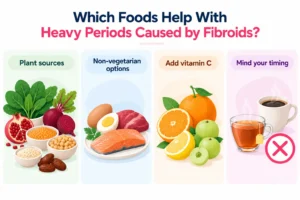
Which Foods Help With Heavy Periods Caused by Fibroids?

Iron-rich foods and vitamin C are your best allies, because heavy bleeding is the most common fibroid symptom and it can leave you tired, breathless or low on iron.

  • Plant sources: Spinach, beetroot, pomegranate, dates, sesame seeds, lentils and chickpeas are good iron-rich foods for fibroids.
  • Non-vegetarian options: Eggs and lean meats also help.
  • Add vitamin C: A squeeze of lemon on your dal, or an orange or amla after lunch, helps you absorb more iron.
  • Mind your timing: Avoid tea or coffee right after meals, as they reduce iron absorption.

Which Foods Help With Heavy Periods Caused by Fibroids?

Iron plus vitamin C helps replace what heavy periods take away, but persistent fatigue deserves a blood test, not just a diet tweak.

What Foods Should You Limit If You Have Fibroids?

The foods to avoid with fibroids aren’t forbidden, just worth limiting, because some can promote inflammation and weight gain.

  • Red and processed meat: Best kept occasional.
  • Alcohol: It can affect how your liver processes hormones.
  • Refined sugar and fried snacks: They add to inflammation and weight gain, and extra body fat can produce extra estrogen, which fibroids may respond to.
  • Ultra-processed packaged foods: Choose fresh, home-cooked options where you can.
  • Caffeine: One or two cups of chai or coffee are usually fine, but cut back if you notice breast tenderness, anxiety or poor sleep.

“Limit” is not “never,” so one festive mithai won’t undo your health. Small, steady changes work better than strict rules.

Is Soy Safe If You Have Fibroids?

For most women, moderate amounts of whole soy foods like tofu, soya chunks or edamame are considered fine, but the research on soy and fibroids is mixed.

Soy contains plant compounds called phytoestrogens, which is why it causes so much confusion. Some studies suggest they’re harmless or even protective, while others raise questions, especially around concentrated supplements. A sensible approach is to enjoy soy as an occasional food rather than relying on soy powders or isolates. If you have a large fibroid or are on hormonal treatment, ask your gynaecologist before making it a daily habit.

Whole soy in moderation is generally fine, but skip high-dose supplements unless your doctor advises them.

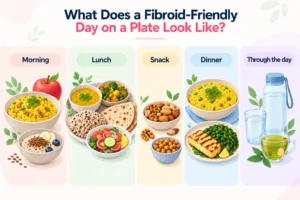
What Does a Fibroid-Friendly Day on a Plate Look Like?

A balanced day could look like this: a fibre-rich breakfast, an iron-and-colour lunch, a light snack and a simple dinner, with nothing complicated or expensive.

  • Morning: Vegetable poha or oats with flaxseeds and a fruit
  • Lunch: Dal, a vegetable sabzi, one multigrain roti or brown rice, salad with lemon
  • Snack: A handful of walnuts and almonds, or roasted chana
  • Dinner: Moong dal khichdi or grilled paneer or fish with sautéed greens
  • Through the day: Plenty of water, and herbal or green tea if you like

What Does a Fibroid-Friendly Day on a Plate Look Like?

Green tea has shown some early promise in small studies, but it isn’t a treatment for fibroids. Vitamin D also gets attention, since low levels have been linked with fibroids. Please get your levels checked before taking any supplement.

A fibroid-friendly diet is simply a balanced Indian plate, with more fibre, more colour and less processed food.

Can Diet Alone Shrink Fibroids?

No. There’s no strong evidence that any food or diet can shrink fibroids, so it’s best to see food as support, not a cure.

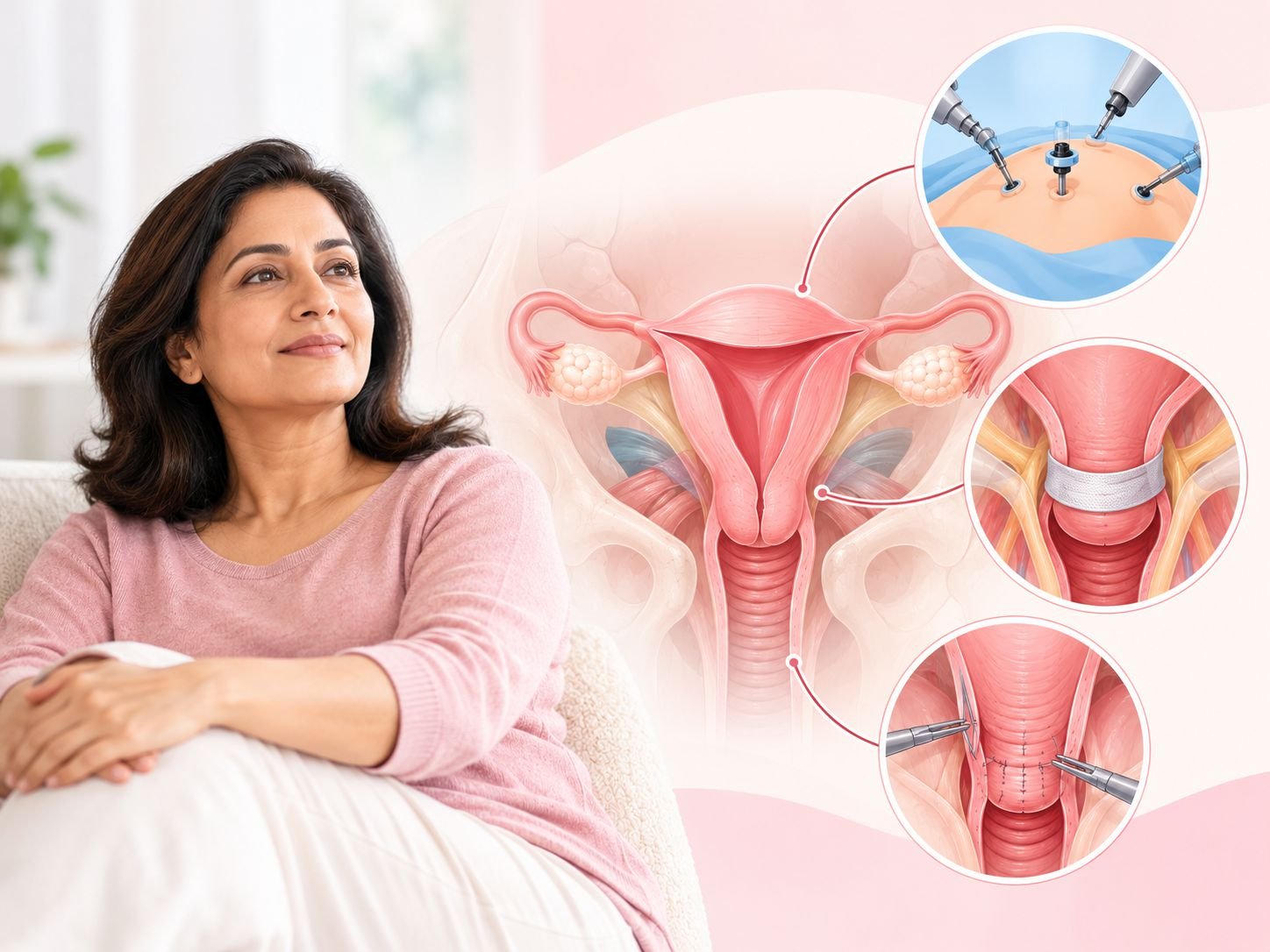
Any website promising to “dissolve fibroids naturally” is overselling. Diet can help you manage symptoms, support your hormones and improve your energy. But fibroids that cause heavy bleeding, pain, pressure on the bladder or trouble conceiving need proper evaluation. Your gynaecologist can recommend monitoring, medication or other treatment depending on your age, symptoms, fibroid size and future pregnancy plans.

Eat well to feel better, and see your doctor to decide what your fibroids actually need.

When Should You See a Gynaecologist in Gurgaon?

Book a consultation if your periods are very heavy or prolonged, you pass large clots, you have constant pelvic pain or pressure, you feel unusually exhausted, or you’re struggling to conceive.

Don’t wait for symptoms to become unbearable. Many women live with heavy periods for years, assuming it’s normal. For any guidance you may consult Dr. Aruna Kalra, Obstetrician and Gynaecologist at CK Birla Hospital, Gurgaon, or any qualified gynaecologist who can assess your symptoms, advise on the right tests and guide you on the next steps, including how nutrition can fit into your care.

Early advice from a gynaecologist can save you months of discomfort and guesswork.

Final Thoughts

You don’t need a perfect diet or an expensive “detox” to support your hormones. A plate with more fibre, iron, greens and healthy fats, and less sugar, alcohol and processed food, is a kind and realistic place to start.

Food is one piece of the puzzle, along with sleep, movement and stress. If your symptoms are affecting your life, please talk to your doctor. You deserve answers, not just advice from the internet.

Medical Disclaimer: This blog is for general awareness and does not replace personalised medical advice, diagnosis or treatment. Please consult a qualified gynaecologist for your specific condition.

Frequently Asked Questions

  1. What is the best diet for fibroids?
    There’s no single “best” diet, but a plate rich in fibre, fruits, vegetables, whole grains, iron and healthy fats is considered most supportive. Limiting red meat, alcohol and processed foods may also help.
  2. Which foods can make fibroid symptoms worse?
    Alcohol, processed and red meat, refined sugar and fried or packaged foods are commonly limited, as they may promote inflammation and excess estrogen activity. Responses differ from person to person.
  3. Can eating healthy reduce heavy bleeding from fibroids?
    Diet cannot stop heavy bleeding, but iron-rich foods with vitamin C can help replace lost iron and reduce tiredness. Heavy periods should always be medically evaluated.
  4. Is it okay to drink tea or coffee with fibroids?
    Moderate amounts are usually fine for most women. Avoid having them right after iron-rich meals, and cut back if they worsen breast tenderness, anxiety or sleep.
  5. Can diet shrink fibroids naturally?
    There’s no strong scientific evidence that diet alone shrinks fibroids. Healthy eating supports hormone balance and symptom management, but treatment decisions should be made with your gynaecologist.
Dr. Aruna Kalra's Medical Content Team

Dr. Aruna Kalra's Medical Content Team

Dr. Aruna Kalra's medical content team specialises in creating accurate, clear, and patient-focused healthcare content. With strong clinical understanding and expertise in technical writing and SEO, the team translates complex medical information into reliable, accessible resources that support informed decisions and uphold Dr. Aruna Kalra’s commitment to quality care.

This content is reviewed by

Dr. Aruna Kalra

Gynaecologist and Obstetrician

Dr Aruna Kalra is a senior gynaecologist and obstetrician with over 25 years of clinical experience, widely respected for her calm clinical judgement, ethical decision-making, and expertise in advanced gynaecological surgery and obstetric care.

Leave a Reply

Your email address will not be published. Required fields are marked *