Call Back Call Back WhatsApp Whatsapp
Vaginal and Vulvar Pain in Endometriosis Causes, Symptoms, and Treatment

Vaginal and Vulvar Pain in Endometriosis: Causes, Symptoms, and Treatment

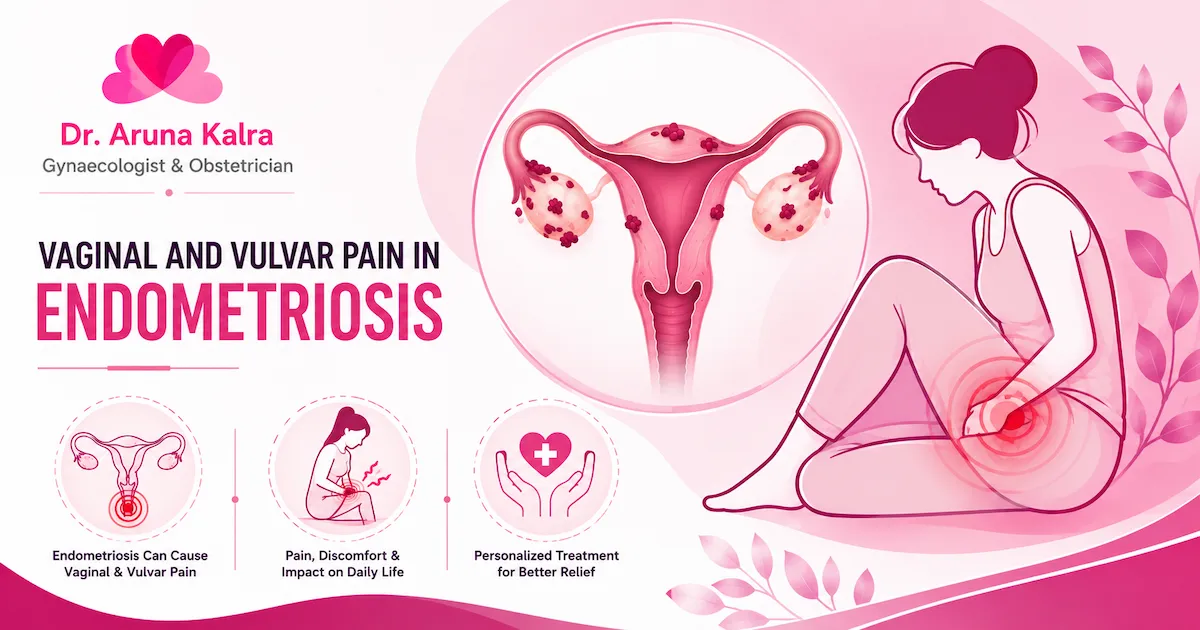
Endometriosis is a chronic gynecological condition that affects millions of women worldwide. While many people associate it with severe menstrual cramps and pelvic pain, one of its lesser-known yet deeply distressing symptoms is vaginal and vulvar pain.

This type of pain can interfere with everyday activities, intimate relationships, exercise, and emotional well-being. Unfortunately, many women suffer silently for years, believing their symptoms are normal or unrelated to endometriosis.

Understanding the connection between endometriosis and vaginal or vulvar pain is the first step toward finding effective treatment and improving quality of life.

What Is Endometriosis?

Endometriosis occurs when tissue similar to the lining of the uterus (endometrium) grows outside the uterus. These growths can develop on the ovaries, fallopian tubes, pelvic lining, bladder, bowel, and tissues surrounding the vagina and rectum.

Like the uterine lining, these tissues respond to hormonal changes during the menstrual cycle. This can lead to inflammation, internal bleeding, scar tissue formation (adhesions), and chronic pelvic pain.

In some women, endometriosis can involve the deep tissues around the vagina, pelvic floor muscles, or nerves, causing persistent vaginal or vulvar pain.

Can Endometriosis Cause Vaginal and Vulvar Pain?

Yes. Although pelvic pain is the most common symptom, endometriosis can also cause pain in and around the vagina and vulva, especially when the disease affects the deeper pelvic tissues.

Women may experience:

  • Deep vaginal pain
  • Burning or aching sensation around the vulva
  • Pain during sexual intercourse (dyspareunia)
  • Pain while inserting tampons
  • Pain during pelvic examinations
  • Pressure or heaviness in the vaginal area
  • Pain while sitting for long periods
  • Pain during bowel movements or urination, especially during menstruation

The severity of symptoms does not always match the extent of the disease. Even small endometriosis lesions can sometimes cause significant pain.

Why Does Endometriosis Cause Vaginal or Vulvar Pain?

Several factors may contribute to this type of pain.

Deep Infiltrating Endometriosis
Deep infiltrating endometriosis (DIE) can affect tissues behind the vagina, uterosacral ligaments, rectovaginal septum, or pelvic nerves. These lesions can cause persistent pain, especially during intercourse or bowel movements.

Chronic Inflammation
Endometriosis triggers ongoing inflammation within the pelvis. This inflammation sensitizes nearby tissues and nerves, making even normal movements painful.

Scar Tissue and Adhesions
Repeated inflammation can lead to scar tissue that binds pelvic organs together. These adhesions reduce normal organ movement and contribute to chronic pelvic, vaginal, and vulvar pain.

Pelvic Floor Muscle Dysfunction
Many women with chronic pelvic pain develop tight, overactive pelvic floor muscles. Muscle spasms can cause pain around the vaginal opening and vulva, making sitting, walking, or intimacy uncomfortable.

Nerve Involvement
In advanced cases, endometriosis may irritate or compress pelvic nerves, leading to burning, shooting, or radiating pain involving the vagina, vulva, buttocks, or thighs.

Symptoms That Should Not Be Ignored

Seek evaluation by a gynecologist if you experience:

  • Severe pain during sexual intercourse
  • Persistent vaginal or vulvar pain without infection
  • Chronic pelvic pain lasting more than six months
  • Painful periods affecting daily life
  • Pain during bowel movements or urination
  • Difficulty sitting because of pelvic discomfort
  • Infertility associated with painful menstrual cycles

Early diagnosis can help prevent disease progression and improve long-term outcomes.

How Is Endometriosis Diagnosed?

Diagnosis begins with a detailed medical history and pelvic examination. Your gynecologist may recommend:

  • Pelvic ultrasound
  • MRI scan in selected cases
  • Blood investigations when required
  • Diagnostic laparoscopy if imaging is inconclusive or surgery is being considered

Laparoscopy remains the gold standard for confirming endometriosis and allows treatment during the same procedure when appropriate.

Treatment for Vaginal and Vulvar Pain Caused by Endometriosis

Treatment depends on the severity of symptoms, disease location, age, and future pregnancy plans.

Medications
Hormonal therapies may help reduce the activity of endometriosis tissue and relieve pain. Pain-relieving medications may also be prescribed when appropriate.

Pelvic Floor Physiotherapy
If pelvic floor muscle tightness contributes to pain, specialized physiotherapy can improve muscle function and reduce discomfort.

Lifestyle Measures
Regular physical activity, stress management, anti-inflammatory dietary habits, adequate sleep, and relaxation techniques may help improve overall symptom control.

Minimally Invasive Surgery

When symptoms are severe or medical treatment is ineffective, laparoscopic or robotic surgery may be recommended to remove endometriosis tissue while preserving healthy organs whenever possible.

Advanced minimally invasive techniques often result in:

  • Smaller incisions
  • Less postoperative pain
  • Faster recovery
  • Reduced hospital stay
  • Earlier return to daily activities

Why Choosing an Experienced Endometriosis Specialist Matters

Endometriosis affecting the vagina, pelvic nerves, or deep pelvic tissues can be complex and requires specialized expertise.

Dr. Aruna Kalra is one of the leading gynaecologists and obstetricians in Gurgaon, Haryana. She is currently the Director and Senior Consultant in the Department of Gynaecology and Obstetrics at CK Birla Hospital, Gurgaon, and the Managing Director of The Mums Clinic, Gurgaon.

With over 25 years of experience, Dr. Aruna specializes in:

  • Endometriosis management
  • High-risk pregnancy
  • Minimally invasive gynecological surgery
  • Scarless laparoscopic surgery
  • Robotic gynecological surgery
  • Vaginal Birth After Caesarean (VBAC)
  • Painless labour

She has received advanced training in robotic and laparoscopic surgery, enabling her to manage complex gynecological conditions using modern minimally invasive techniques. Her surgical expertise helps many women achieve faster recovery, reduced pain, and excellent clinical outcomes.

Dr. Aruna began her medical career at Kasturba Hospital, Delhi, and later gained valuable experience at Batra Hospital, New Delhi, and Paras Hospital, Gurugram. Her extensive experience as a gynecologist and endoscopic surgeon has made her one of the most trusted OBGYN specialists in Gurugram.

Can Vaginal and Vulvar Pain Improve?

Yes. With an accurate diagnosis and individualized treatment plan, many women experience significant improvement in pain, daily comfort, and quality of life.

Treatment may include medication, physiotherapy, lifestyle modifications, or minimally invasive surgery depending on the severity and location of the disease.

The earlier endometriosis is diagnosed, the better the chances of controlling symptoms and preventing long-term complications.

Conclusion

Vaginal and vulvar pain should never be ignored or accepted as a normal part of being a woman. Persistent pain during periods, intercourse, sitting, or daily activities may be a sign of endometriosis requiring specialist evaluation.

Early diagnosis and expert management can relieve pain, preserve fertility, and improve overall well-being.

If you are experiencing symptoms of endometriosis, consult an experienced gynecologist for a comprehensive evaluation and personalized treatment plan.

Frequently Asked Questions

1. Can endometriosis cause pain inside the vagina?
Yes. Deep infiltrating endometriosis can involve tissues around the vagina, pelvic floor muscles, and surrounding nerves, leading to persistent vaginal pain.

2. Why does intercourse hurt with endometriosis?
Pain during intercourse often occurs because endometriosis affects the tissues behind the vagina or causes inflammation, scar tissue, and pelvic floor muscle tightness.

3. Can endometriosis cause vulvar burning?
Yes. In some women, pelvic nerve irritation and chronic inflammation may cause burning, aching, or hypersensitivity around the vulva.

4. Is vaginal pain always caused by endometriosis?
No. Vaginal pain can also result from infections, vulvodynia, pelvic floor dysfunction, hormonal changes, or other gynecological conditions. A proper evaluation is essential for an accurate diagnosis.

5. When should I see a gynecologist for vaginal pain?
You should seek medical evaluation if vaginal or vulvar pain is persistent, worsens during periods or intercourse, interferes with daily life, or is associated with heavy periods, infertility, or chronic pelvic pain.

Leave a Reply

Your email address will not be published. Required fields are marked *