Call Back Call Back WhatsApp Whatsapp
Uterus-preserving surgery in Gurgaon for endometriosis and adenomyosis

Uterus-Preserving Surgery: Is It Right for You?

Heavy periods, period pain that keeps getting worse, months of tablets that only help a little. At some point, many women hear the same advice: “You may need a hysterectomy.”

For some women, that can be the right call, but depending on your age, your symptoms and whether you want children, uterus-preserving surgery may be an option for treating endometriosis and adenomyosis.

This blog explains what it involves, who it suits and what recovery looks like.

Endometriosis vs Adenomyosis: What’s the Difference?

Endometriosis is when tissue similar to the uterine lining grows outside the uterus, on the ovaries, the pelvic lining or the bowel.

Adenomyosis is when that tissue grows into the muscle wall of the uterus itself.

Both of these conditions cause painful, heavy periods and often occur together. Yet they are treated differently, which is why a clear diagnosis, usually with an ultrasound or MRI is required.

What Is Uterus Preserving Surgery?

Uterus-preserving surgery, also called uterus-sparing surgery, means treating the disease while leaving the uterus in place. The aim is to reduce pain and bleeding and, when needed, protect your chance of pregnancy.

It is not one single operation. The right procedure depends on where the disease is and how far it has spread.

Uterus Preserving Surgery for Endometriosis: Laparoscopic and Robotic Options

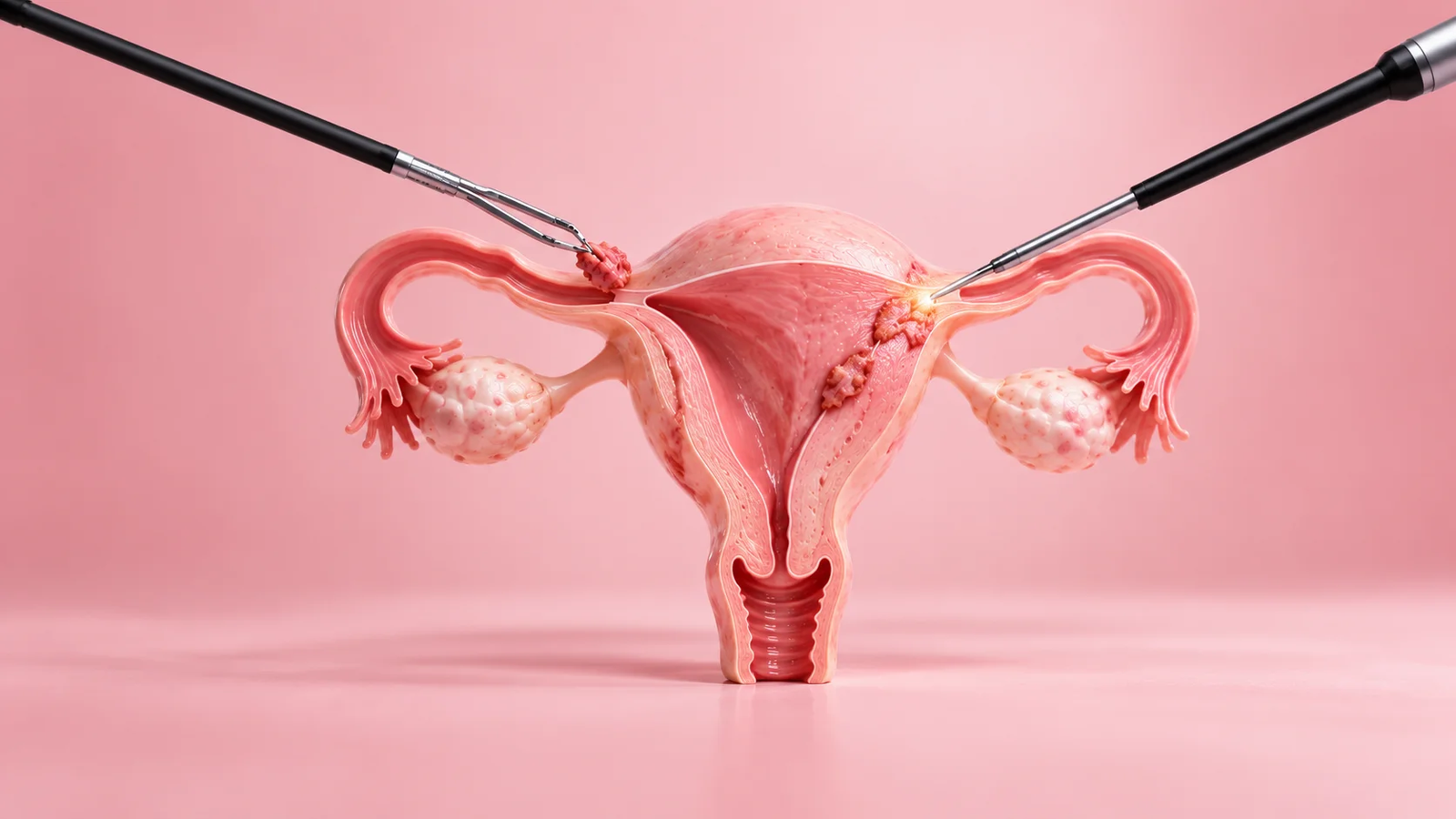
Endometriosis surgery is usually done through small keyhole cuts, either laparoscopic or robotic-assisted. The main options are:

  • Excision surgery: The endometriosis patches are cut out completely. Removing the disease, and not just burning the surface, gives better long-term relief.
  • Cyst removal (cystectomy): Endometriosis cysts on the ovary, often called chocolate cysts, are removed while healthy ovarian tissue is kept as much as possible.
  • Adhesion release: Scar tissue binding organs together is freed, which can ease pain and, in some women, help fertility.
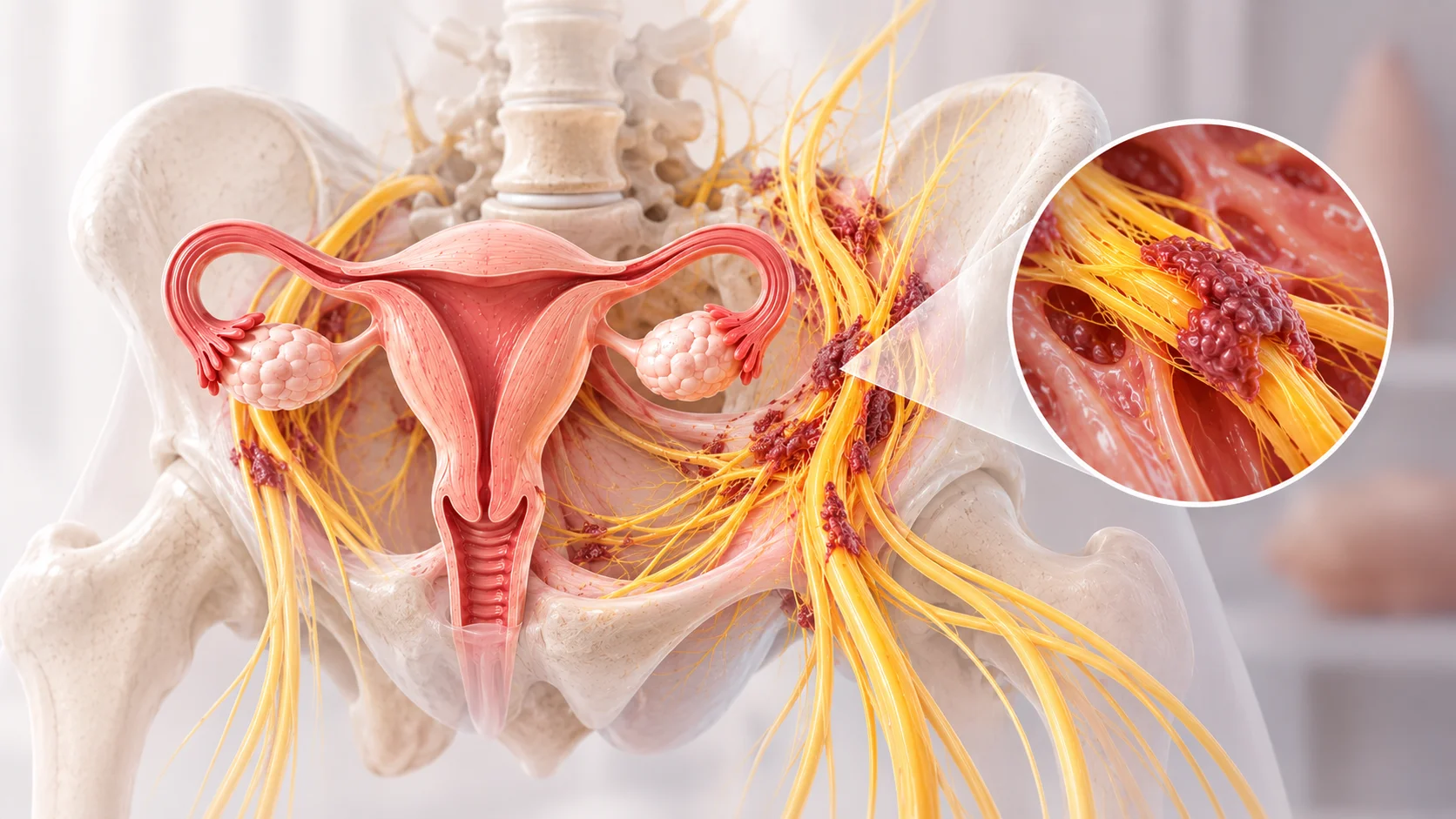
  • Deep endometriosis surgery: Disease involving the bowel, bladder or nerves needs careful planning. Robotic-assisted surgery can help in these complex cases.

Adenomyosis Treatment Without Hysterectomy: Adenomyomectomy and Other Options

Adenomyosis treatment without hysterectomy depends on how the disease is spread.

Focal adenomyosis: When the disease sits in one area, an adenomyomectomy can be done. The diseased part of the uterine wall is removed, and the uterus is repaired. 

Diffuse adenomyosis: When it is spread through the whole uterine wall, surgery is more difficult and complete removal may not be possible. Medicines are usually a big part of the plan here.

Not everyone needs surgery first. Hormonal tablets and a hormone-releasing coil are often tried early, especially for milder symptoms. If you are worried about pregnancy, our blog on can you get pregnant with adenomyosis explains what to expect.

Who Is a Good Candidate for Uterus Preserving Surgery?

You may be a good candidate for uterus-preserving surgery if:

  • You want to have children now or in the future
  • You want to keep your uterus and your symptoms allow it
  • Medicines have not given you enough relief
  • Scans show disease that can be treated safely without removing the uterus

Every woman’s situation is different. A proper evaluation, including scans and a talk about your plans, decides the best route.

When Is Hysterectomy Still the Better Choice?

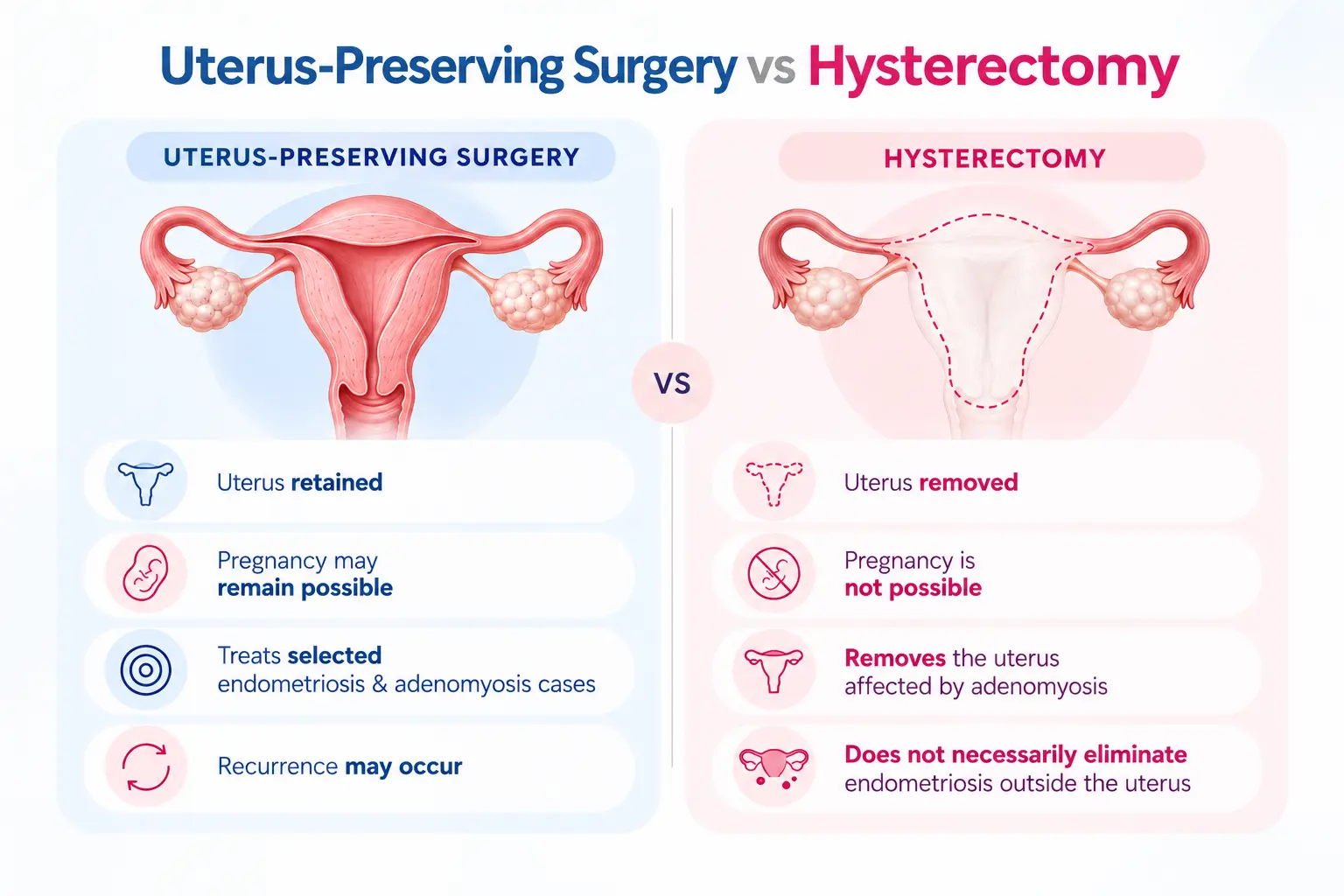
Uterus-preserving surgery vs hysterectomy for endometriosis and adenomyosis, comparing uterus retention, pregnancy options and treatment approaches

If your family is complete, your symptoms are severe, and other treatments have not worked, a hysterectomy can give lasting relief. Make this decision with your doctor, without pressure in either direction. 

You can read more about hysterectomy surgery to compare both routes.

Recovery After Uterus-Preserving Surgery

Recovery after uterus-preserving surgery depends on the procedure, but some general points hold:

  • Keyhole surgery usually means a short hospital stay
  • Most women return to light routine activity within one to two weeks, though this varies
  • Pain and heavy bleeding often improve
  • The disease can come back, so follow-up and long-term medical treatment matter
  • If you become pregnant after adenomyosis surgery, your doctor will plan your pregnancy and delivery more closely

No surgery can promise a cure or a pregnancy. What it can offer is real relief while keeping your options open.

Talk to an Endometriosis and Adenomyosis Specialist in Gurgaon

If you’ve been advised a hysterectomy and aren’t sure it’s the only way, it’s worth getting a second opinion before you decide. A proper evaluation of your scans, symptoms and family plans can show whether uterus-preserving surgery is an option for you.

You can book a consultation with Dr. Aruna Kalra, a senior gynaecologist in Gurgaon with 25+ years of experience in advanced gynaecological and minimally invasive surgery, to discuss whether uterus-preserving surgery may be suitable for you.

Frequently Asked Questions

  1. Can adenomyosis be treated without removing the uterus?
    Often, yes. Medicines and, in selected cases, adenomyomectomy can control symptoms while keeping the uterus.
  2. Is uterus preserving surgery safe?
    When done by an experienced surgeon for the right patient, it is considered safe. Every surgery has some risk, which your doctor will explain beforehand.
  3. Will endometriosis come back after surgery?
    It can. Complete excision and follow-up treatment lower the chances.
  4. Does surgery affect my chances of getting pregnant?
    The aim is to protect fertility. Your doctor will plan around your age, ovarian reserve and scan findings.
  5. Is uterus-preserving surgery an alternative to hysterectomy?
    In selected women, yes. The choice depends on the diagnosis, severity of symptoms, location of disease, previous treatment and whether future pregnancy is important.
  6. Can I get pregnant after uterus-preserving surgery?
    Pregnancy may remain possible after some uterus-preserving procedures, but fertility depends on factors such as age, ovarian reserve, endometriosis severity, tubal health and the type of surgery performed.
Dr. Aruna Kalra's Medical Content Team

Dr. Aruna Kalra's Medical Content Team

Dr. Aruna Kalra's medical content team specialises in creating accurate, clear, and patient-focused healthcare content. With strong clinical understanding and expertise in technical writing and SEO, the team translates complex medical information into reliable, accessible resources that support informed decisions and uphold Dr. Aruna Kalra’s commitment to quality care.

This content is reviewed by

Dr. Aruna Kalra

Gynaecologist and Obstetrician

Dr Aruna Kalra is a senior gynaecologist and obstetrician with over 25 years of clinical experience, widely respected for her calm clinical judgement, ethical decision-making, and expertise in advanced gynaecological surgery and obstetric care.

Leave a Reply

Your email address will not be published. Required fields are marked *